
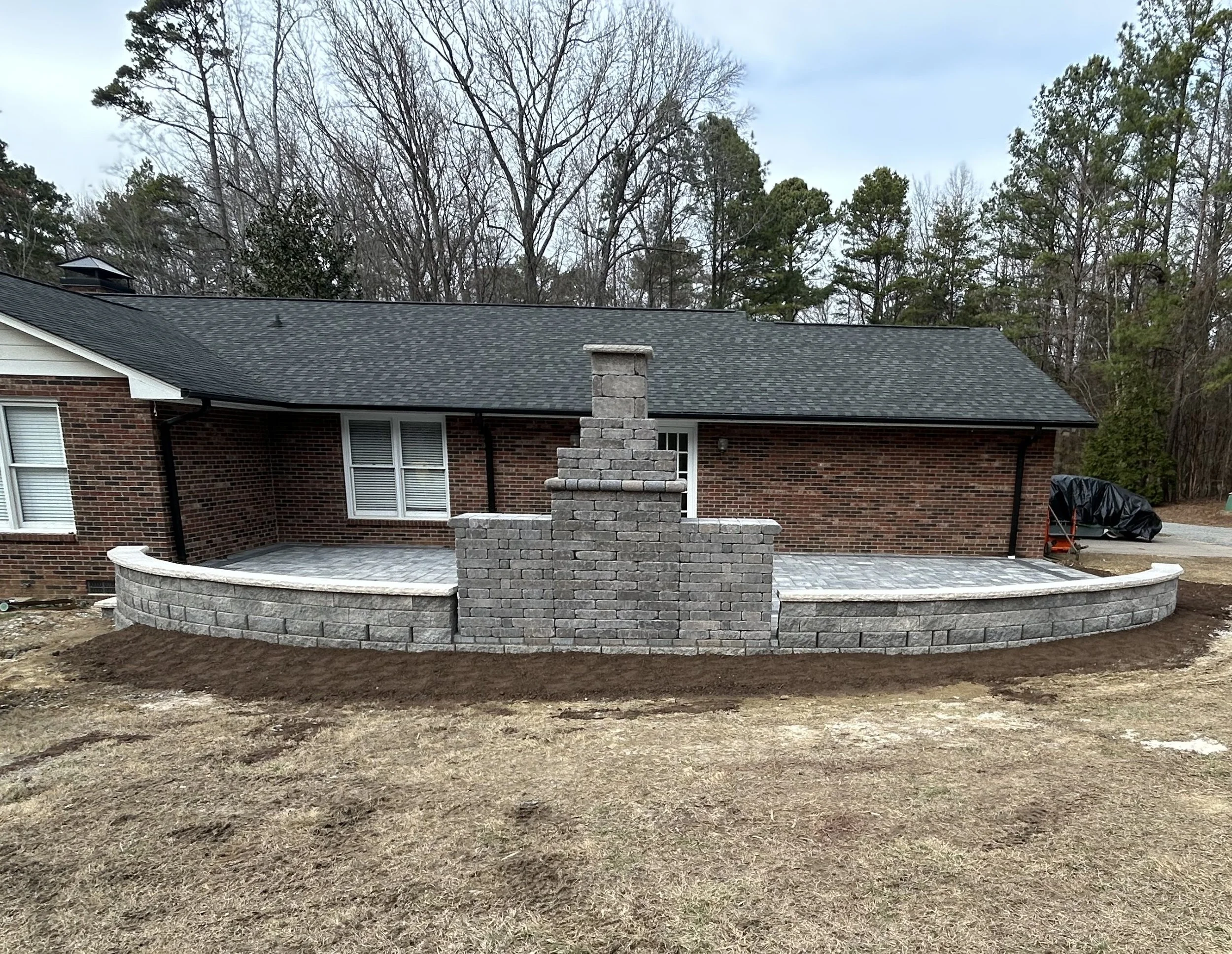
At Sticks and Stones Outdoors, we create high-quality stone walls that enhance both function and curb appeal. From decorative garden walls to structural stone features, our outdoor stone work is built to last.
Stone Wall Installation
-
A stone wall adds curb appeal by giving a home a timeless, high-quality look while also preventing soil erosion and creating structure that makes the property feel polished and well maintained.
-
A stone wall protects against erosion by stabilizing soil on slopes and along foundations, helping prevent washouts while preserving the integrity and appearance of your landscape.
-
Stone walls have a low environmental impact because they are made from natural materials, require minimal processing, and provide long-lasting durability without the need for frequent replacement or chemical treatments.
3 main reasons to consider adding a Stone Wall to your Outdoor Landscape
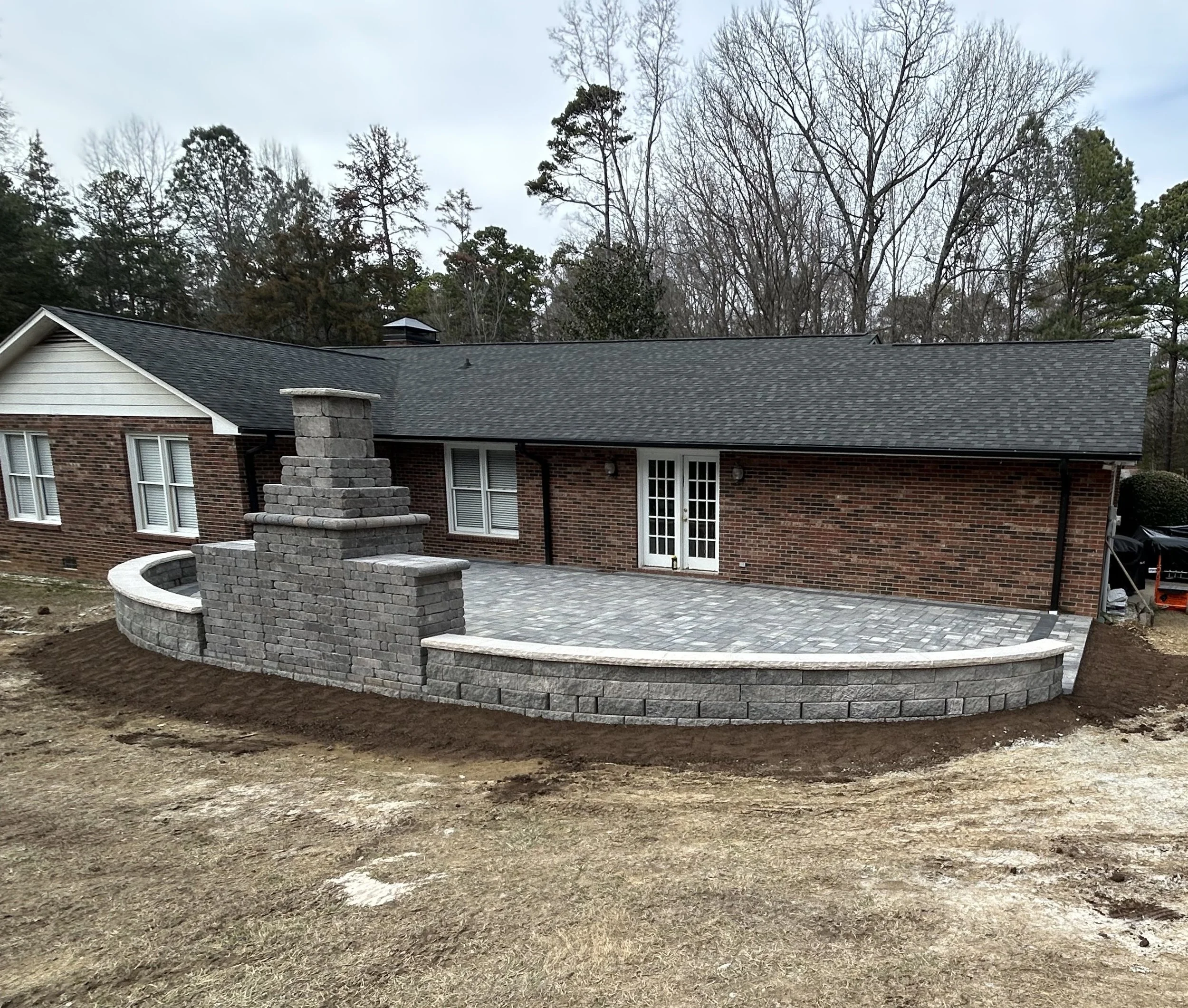
Enhance your outdoor living area with a custom stone wall designed and built by Sticks & Stones Outdoors, adding beauty, structure, and lasting value—contact us to get started.
Frequently Asked Questions About Stone Walls
Have questions about retaining walls and stone wall solutions? We’ve gathered helpful answers to the most common topics—from material choices and structural support to drainage and soil erosion control—so you can feel confident building a strong, long-lasting landscape that protects and enhances your outdoor space.
-
The best materials for a durable stone wall include natural fieldstone, granite, limestone, and sandstone, as well as manufactured concrete stone for a more uniform look. Natural stone offers exceptional strength, weather resistance, and timeless appeal, while concrete stone products provide consistent sizing and structural reliability. The ideal choice depends on your climate, intended use (decorative vs. structural), budget, and desired appearance.
-
Stone walls can last 50 to 100+ years, and in many cases even longer, when built with quality materials and proper construction techniques. Dry-stacked natural stone walls have been known to stand for generations. Their lifespan depends on factors such as foundation preparation, drainage, climate conditions, and routine maintenance. With proper care, a well-built stone wall is one of the most durable landscape features you can install.
-
Yes, stone walls require minimal but occasional maintenance to keep them looking and performing their best. This may include checking for loose or shifting stones, repairing small cracks, removing vegetation growing between joints, and ensuring proper drainage around the base. With routine inspections and minor upkeep, most stone walls remain strong and attractive for decades.
-
A stone wall is typically built for decorative purposes, property boundaries, or light structural use. It can enhance landscaping and add visual appeal but may not always be designed to hold back significant soil pressure.
A retaining wall, on the other hand, is specifically engineered to hold back soil, manage slopes, and prevent erosion. Retaining walls require proper structural support and drainage systems to handle the pressure from soil and water behind them.